Mapping the pathto deep space.
Star–Forces is a research and asset-development venture working toward interstellar travel and human expansion beyond Earth — running our own observing program, publishing what we find, and building what reaching further out will take.
Concept Ships, Built to Print
Original interstellar-ship concepts, modeled and rendered in-house and produced as 3D-printed display kits — the current phase of the asset-development side of the work.
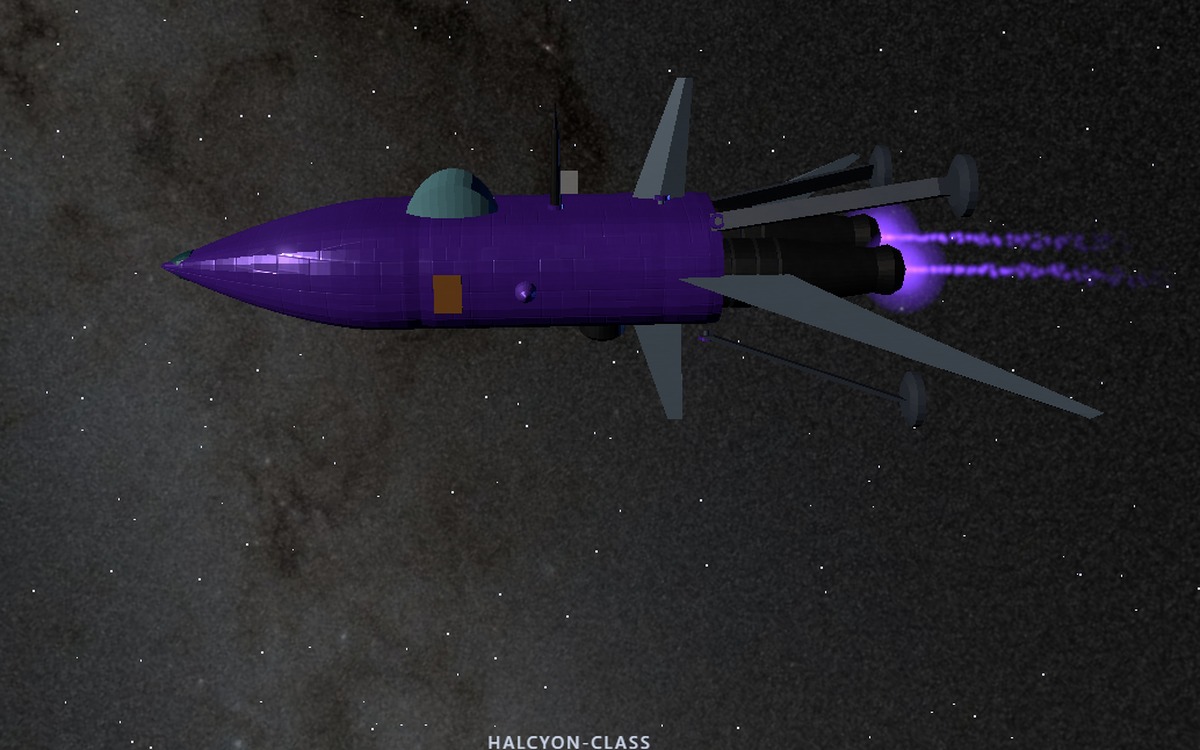
Halcyon-Class
A hard sci-fi utilitarian cruiser — long spine hull, radiator fins, sensor pod nose, docking port, and twin rear nacelles feeding into swept FTL wings. Self-aligning peg-and-socket joints throughout for a clean glue-up.
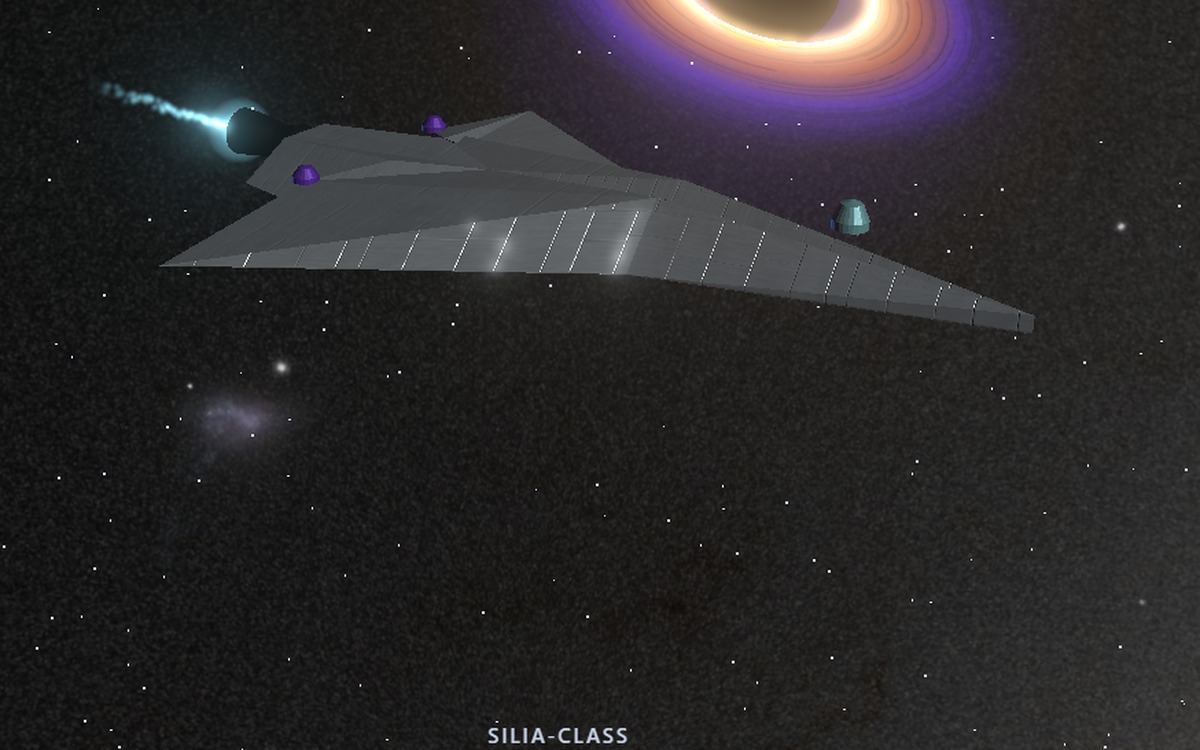
Silia-Class
A lighter, faster companion to the Halcyon — tapered hull, glass cockpit dome, wingtip pods, and a choice of single or twin sub-light engines depending on the build.
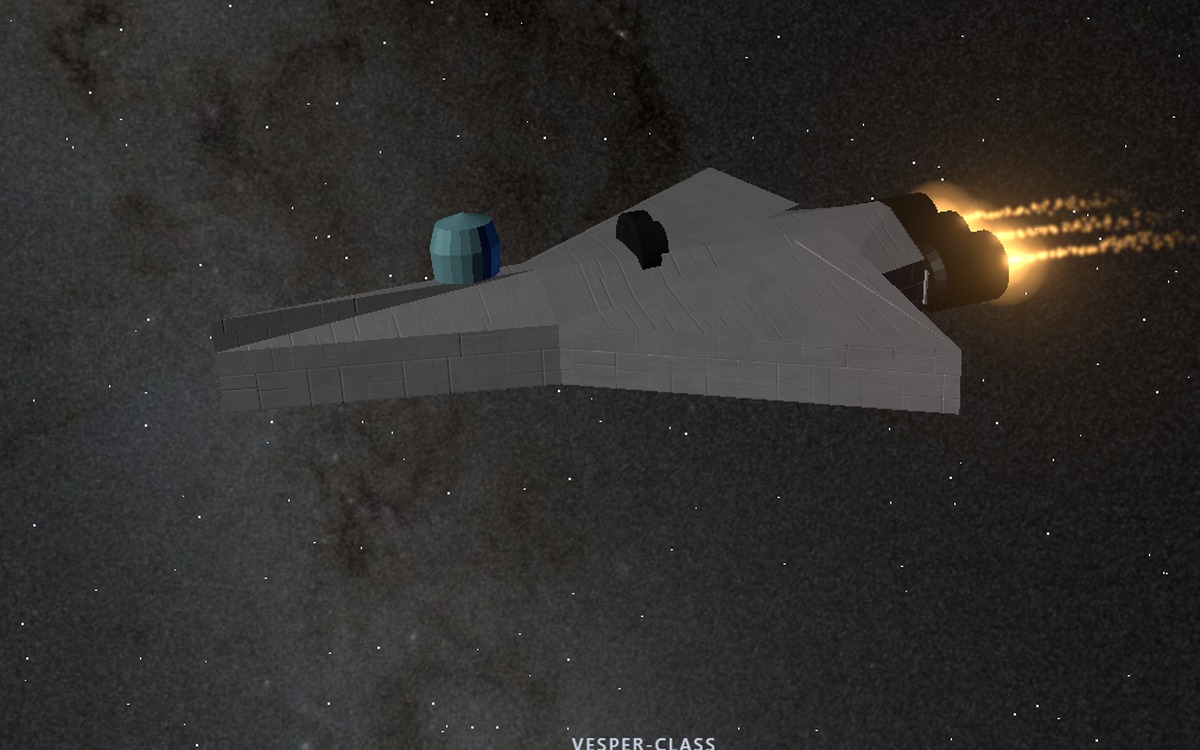
Vesper-Class
A hybrid courier — Silia's tapered hull silhouette, Halcyon's panel-line detailing, and a wider triple-engine spread for range. Built for fast, light runs between the larger hulls.
CORE — a Ship Systems AI
A working prototype of the monitoring & control layer these ships would carry — not a mockup, an assistant that reasons live over a vessel's own telemetry and can act on it.
- Watches Electrical, Mechanical, Controls & Steering, and Communications boards in real time, with live gauges, sparklines, and a running system log.
- Answers questions about current ship status by reasoning over the actual live readings — not scripted responses.
- Takes real action from a request: trips breakers, sets autopilot mode, cycles thrusters, lays in a course, or queues a multi-hop route.
- Runs fault-injection drills — coolant leaks, bus shorts, thruster failures, comms dropouts — for hands-on training.
- Keeps a Captain's Log, composing narrative mission entries from what actually happened onboard.
Systems Within Reach
The nearest candidates for a trip, ranked by what we already know — distance, spectral type, and why each is worth the reach.
Proxima Centauri
4.25 lyThe nearest star to the Sun, and host to Proxima b — a roughly Earth-sized planet sitting in its habitable zone.
Alpha Centauri A/B
4.37 lyA Sun-like binary pair, the closest solar analog system we have — a natural first stop for a crewed mission.
Sirius
8.6 lyThe brightest star in Earth's night sky, paired with a dense white dwarf companion worth studying in its own right.
Tau Ceti
11.9 lyA quiet, single Sun-like star with several candidate planets — one of the closer plausible targets for biosignature searches.
Altair
16.7 lyA fast rotator spun into a visibly flattened disk, in Aquila — one of the closer bright stars to Earth's sky.
Vega
25.0 lyRinged by a debris disk that may be actively forming planets — and Earth's pole star again in roughly 12,000 years.
TRAPPIST-1
41.0 lySeven roughly Earth-sized planets in tight orbit — farther out, but the richest known system for comparative study.
The frontier is calling.
Star–Forces started as one person's backyard telescope and has grown into a research and asset-development effort aimed at interstellar travel and human expansion beyond Earth. The observing program comes first; the paintings and printed models are built from the same nights and the same designs.
Learn Our Story